Skip to content
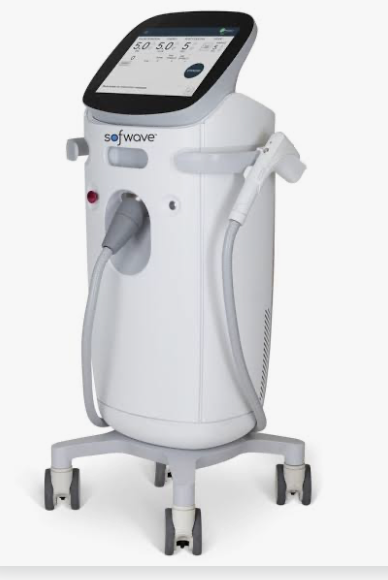
Table of Contents
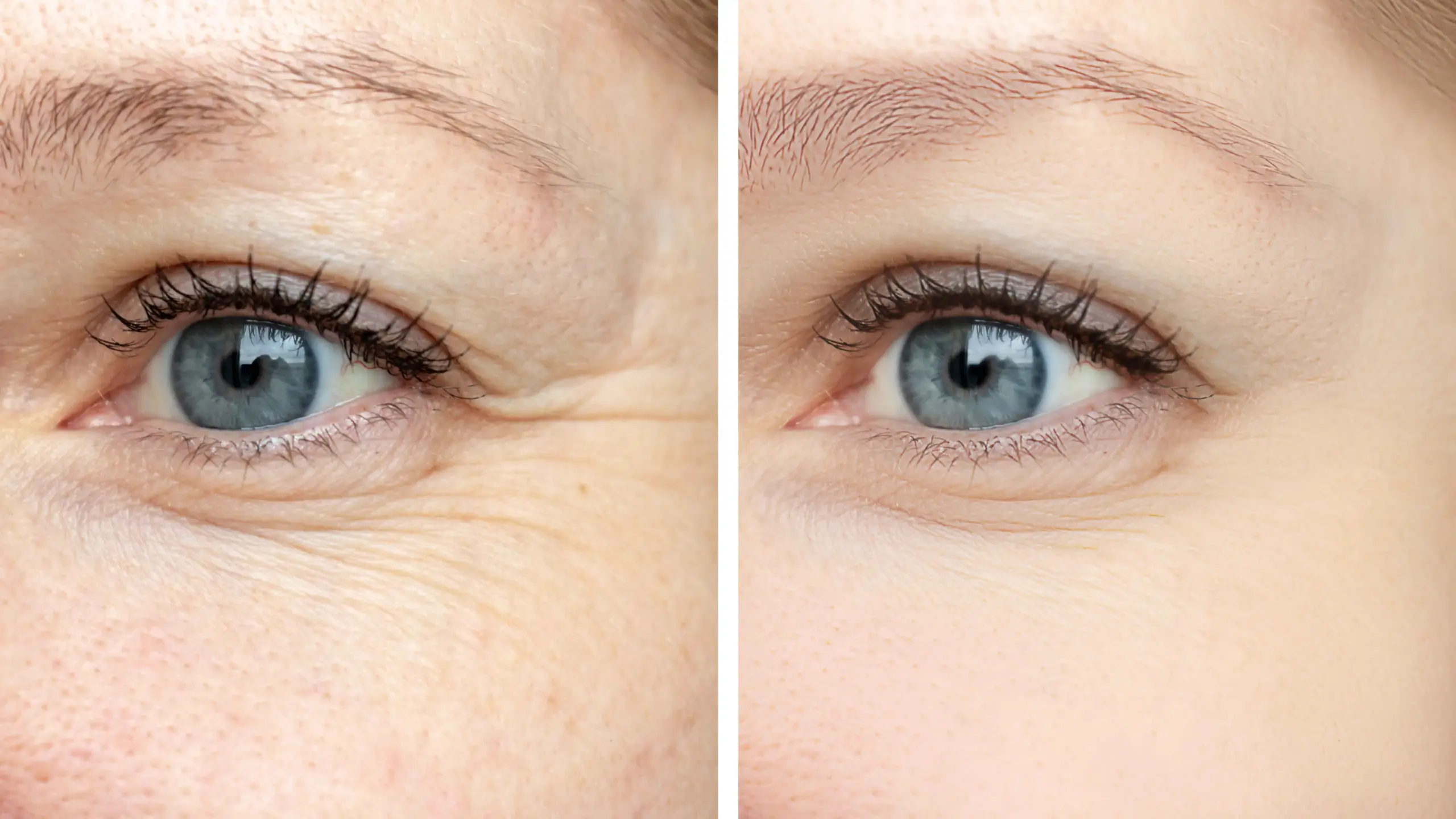
If you’ve noticed early sagging along your jawline, fine lines settling in, or skin that just doesn’t bounce back the way it used to, you’ve probably come across Sofwave in your research. It’s one of the more talked-about non-invasive skin-tightening treatments available right now, but “non-invasive” and “no downtime” don’t mean “no questions.” Here’s what the treatment actually involves, what it can and can’t do, and what a realistic timeline looks like.
Quick answer: Sofwave is an FDA-cleared ultrasound treatment that heats a precise layer of the mid-dermis to trigger new collagen production. It’s cleared to improve facial lines and wrinkles, lift the eyebrow, tighten lax submental (under-chin) and neck skin, improve the short-term appearance of cellulite, improve acne scars, and improve skin laxity on the upper arms. Most sessions take 30–45 minutes with no downtime; visible improvement builds over roughly 3 to 6 months as new collagen forms.
What Is Sofwave?
Sofwave is a non-invasive medical device that uses a technology the manufacturer calls SUPERB™ (Synchronous Ultrasound Parallel Beam) to deliver focused ultrasound energy into the skin. Unlike treatments that rely on lasers or light, Sofwave works entirely through sound-wave energy, which is part of why it’s marketed as suitable across a wide range of skin tones, since it doesn’t rely on light absorption by pigment the way some laser treatments do.
How Sofwave Works
The device delivers ultrasound energy to a very specific depth, approximately 1.5mm into the mid-dermis, where it generates heat in roughly the 65–70°C range. That’s the temperature range associated with collagen denaturation and remodeling: essentially, controlled heat damage that prompts the skin to respond by producing new collagen and elastin over the following months. A built-in cooling system runs at the same time to protect the surface of the skin during treatment.
The practical effect: rather than treating the skin’s surface, Sofwave works underneath it, at the layer where collagen is actually produced.
What Sofwave Is FDA-Cleared to Treat
This is a place where a lot of marketing content gets loose, so it’s worth being precise. As of the most recent clearances, Sofwave is FDA-cleared for:
- Improving the appearance of facial lines and wrinkles
- Lifting the eyebrow
- Lifting lax submental (under-chin) and neck tissue
- Short-term improvement in the appearance of cellulite
- Improvement in the appearance of acne scars
- Improvement in the appearance of skin laxity on the upper arms
Some providers also use the device off-label on other areas of the body. If a claim about a treatment area isn’t on this list, it’s worth asking your provider directly whether that specific use is FDA-cleared or considered off-label — a good provider will tell you plainly either way.
What to Expect During Treatment
- Consultation and skin assessment. A provider evaluates your skin, goals, and candidacy before treatment.
- Cleansing and gel application. The treatment area is cleaned, and an ultrasound gel is applied to help the device make consistent contact with the skin.
- The treatment itself. The provider moves a handheld applicator across the treatment area in a grid pattern.
- Most patients describe the sensation as warm, with brief moments of heat or mild tingling as each pulse is delivered.
- No anesthesia required for most patients. Because there’s no cutting or injection involved, topical numbing is optional rather than standard, some clinics offer it for comfort, particularly for more sensitive areas.
- Session length. Typically 30–45 minutes for the face and neck; treatment of larger areas (like the arms) may take longer.
Recovery and Downtime
One of the more genuinely accurate claims made about Sofwave is that there’s little to no downtime. Most patients return to normal activities immediately. Some people experience mild, temporary redness or a warm sensation in the treated area for a few hours afterward, this is a normal skin response to the heat delivered during treatment, not a sign of injury or a reason to alter your routine.
When You’ll See Results
This is the part that’s most commonly misunderstood, so it’s worth being direct: Sofwave is not an instant-lift treatment. Collagen remodeling is a biological process that takes time. Most patients begin noticing gradual improvement over 4 to 12 weeks, with results continuing to develop for up to 3 to 6 months as new collagen matures. Setting this expectation clearly, before treatment, is one of the more important things a provider can do, a patient expecting overnight results is going to be disappointed regardless of how well the treatment worked.
How Long Results Last
Because Sofwave stimulates your body’s own collagen production rather than adding volume or cutting tissue, results are generally reported to last around 12 months or longer, though this varies by individual , skin quality, age, sun exposure, and lifestyle all play a role in how long new collagen holds up. Many patients choose an annual maintenance treatment to sustain results, similar to how ongoing skincare or other collagen-stimulating treatments are typically approached.
How Many Sessions Are Needed
For facial lines, wrinkles, and eyebrow or submental lifting, many providers recommend a single session, though some patients opt for a second session for enhanced results. For cellulite and acne scar indications, multiple sessions (often a series of three) are more commonly used, based on the clinical studies that supported those specific FDA clearances. Your provider should be able to give you a session recommendation specific to your goals and the area being treated, general web content (including this article) can’t substitute for that individualized plan.
Is Sofwave Safe? Who Is (and Isn’t) a Good Candidate
Sofwave is generally considered safe for most adults and is marketed as effective across a range of skin tones and types, since it doesn’t rely on pigment-targeting light energy. That said, it isn’t appropriate for everyone. People who are pregnant, or who have implanted electrical devices (such as pacemakers), are typically advised against treatment. Active skin infections or open wounds in the treatment area are also generally a reason to postpone.
This list isn’t exhaustive, a real consultation, where a provider reviews your health history, is the only reliable way to determine candidacy. Treat any blog post, including this one, as a starting point for questions rather than a substitute for that conversation.
Possible Side Effects
Reported side effects are generally mild and temporary: redness, warmth, mild swelling, or tenderness in the treated area. Bruising and temporary numbness have been reported less commonly. Serious adverse events are rare in the published clinical data, but “rare” isn’t “none”, a thorough consultation should always include a conversation about risk, not just benefits.
Sofwave vs. Other Skin-Tightening Treatments
People often compare Sofwave to Ultherapy, another ultrasound-based device. The two aren’t interchangeable: Ultherapy targets deeper structural tissue (the SMAS layer) for more of a lifting effect, while Sofwave targets the mid-dermis specifically, generally for skin quality and tightening rather than deep structural repositioning. Providers who offer both can help you decide which is better suited to your specific concern, sagging that needs structural lift versus skin laxity and texture that would benefit from collagen stimulation are genuinely different problems.
Frequently Asked Questions
Does Sofwave hurt?
Most patients describe the sensation as warm or mildly tingling rather than painful, though sensitivity varies by person and treatment area.
Is Sofwave the same as a facelift?
No. It’s a non-surgical treatment that stimulates the body’s own collagen production. It doesn’t remove excess skin or reposition tissue the way a surgical facelift does.
Can Sofwave be combined with other treatments, like injectables?
Many patients combine Sofwave with other treatments such as neuromodulators or dermal fillers as part of a broader treatment plan. Whether that’s appropriate for you, and in what order or timing, is a conversation to have with your provider.
How much does Sofwave cost?
Cost varies by treatment area, number of sessions, and geographic location. A personalized quote requires a consultation.
This article is for general informational purposes and isn’t a substitute for personalized medical advice. Individual results vary. Schedule a consultation with a licensed provider at Pearl Scott Health and Beauty to find out if Sofwave is right for you.